With the explosive growth of the new energy vehicle industry, silicon-carbon anode, as a key material for next-generation high-energy-density batteries, is experiencing rapid capacity expansion. However, during core processes such as graphitization, coating, and granulation, the generated high-temperature oil mist, ultra-fine dust, and volatile organic compounds (VOCs) not only pose severe environmental pressures but also directly impact product consistency, production safety, and energy consumption costs. Traditional dust removal equipment often struggles to cope effectively—oil mist clogs filter bags, nano-scale dust escapes, and high-temperature gas treatment efficiency is low, becoming a persistent “stumbling block” for many anode material enterprises.
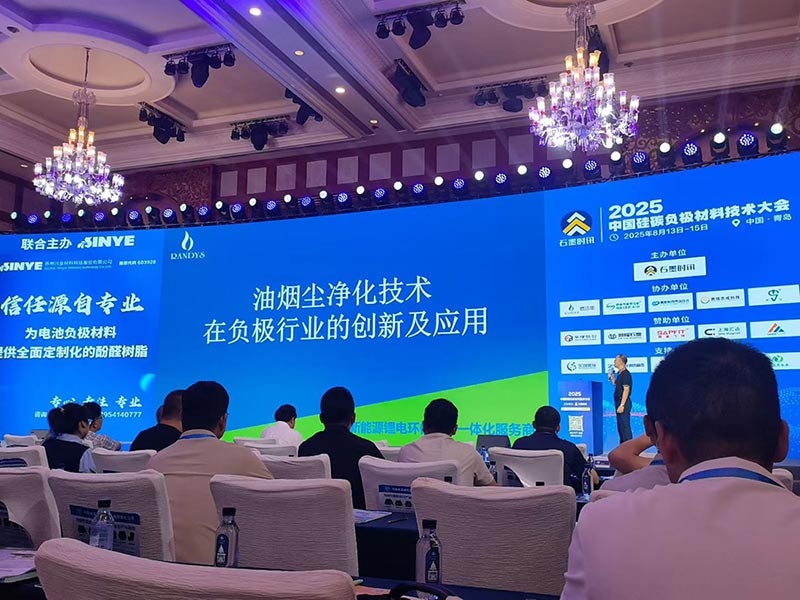
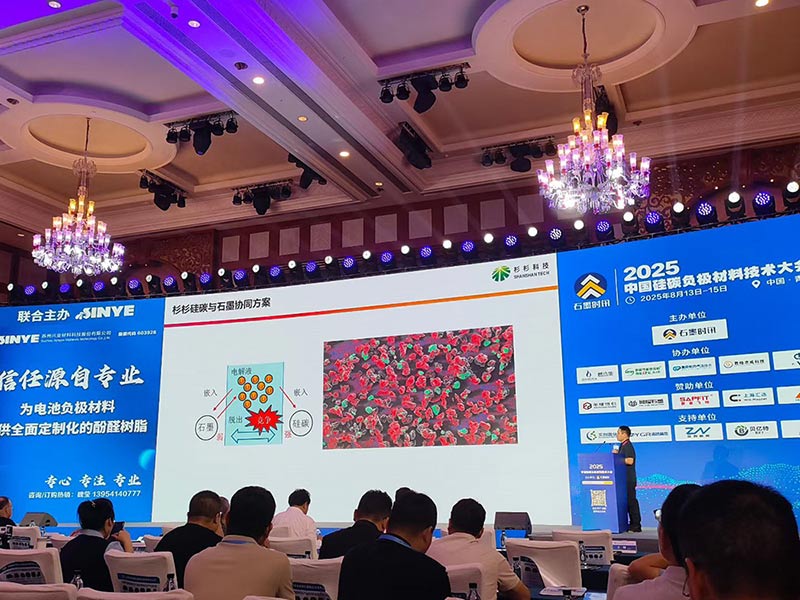
This conference specially featured a thematic forum on “Integrated Treatment of Oil Fume and Dust in Anode Material Preparation Processes,” precisely addressing the critical pain points in the industry’s current transformation and upgrade.
The core innovations include:
1. Three-Stage Gradient Purification for Composite Pollution
First Stage (Mechanical Centrifugal + Electrostatic Pre-collection): Targeting the high-temperature (200-400°C), high-concentration oil mist from graphitization furnace outlets, high-temperature-resistant alloy cyclone separators and specially designed electrostatic collectors are employed. This stage removes over 90% of liquid oil mist at the source, and the recovered tar can be utilized as a resource.
Second Stage (Anti-adhesion Depth Filtration): For the sub-micron carbon powder and resin fumes generated during the coating process, we showcased our newly developed PTFE-coated nanofiber pleated filter cartridges. Their smooth coated surface effectively prevents the adhesion of oily particles. Combined with our patented pulse-jet cleaning system, the cleaning pressure is reduced by 30% compared to traditional methods, and the cartridge lifespan is extended to more than twice that of ordinary filter media.
Third Stage (Depth Purification and Heat Recovery): For the ultra-fine dust (D50 < 1μm) produced in extreme drying processes, optional accessories include the metal sintered felt depth filter or the low-pressure loss wet electrostatic precipitator module developed in collaboration with universities. This ensures stable outlet dust concentration remains below 10mg/Nm³. The system integrates a high-efficiency plate heat exchanger, capable of recovering over 60% of the waste heat from the flue gas, which is directly reused in the drying stage, significantly reducing comprehensive energy consumption.
2. Intelligent Operation and Maintenance, Making Environmental Equipment “Think”
The conference highlighted the Intelligent Dust Control Central System (i-DCS)tailor-made for anode material workshops. By monitoring key parameters in real-time—such as differential pressure, temperature, VOCs concentration, and fan current—the system not only automatically adjusts cleaning frequency and fan speed (achieving up to 40% energy savings) but also utilizes big data analysis to predict remaining filter life and warn of ash accumulation risks in pipelines. This shifts maintenance from “scheduled repairs” to “predictive maintenance,” greatly ensuring the stability of continuous production.
Looking ahead, we will continue to optimize our solutions, empowering green energy with clean production, and helping China’s anode material industry establish a solid foundation in quality and environmental stewardship for global competition.